After the holidays, gynecologists see an increase in patients expressing discontent with their relationships, especially concerns regarding sex. How many of us relegate the intimacy enhancement part of our holidays to the back burner? After wrapping gifts, cooking up a storm and decorating the house we magically hope to achieve new sparkle in the bedroom. Are we investing the necessary time and attention or might there be another problem? What's wrong?
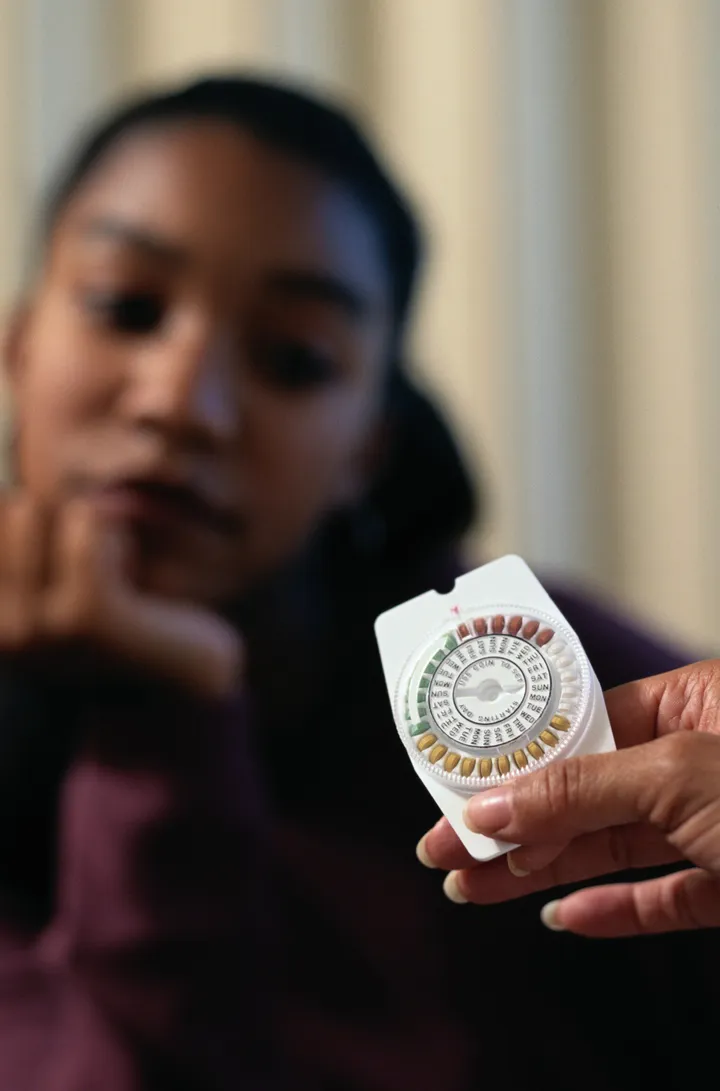
When not interested in getting pregnant (now or maybe ever) many American women in heterosexual intimate relationships use hormonal contraception (pills, patches, rings and injectable contraceptives, even the hormone containing IUD). Contraceptive hormones, (let's call them CH to makes things easier) overall yield huge benefits for the millions of women around the world who depend on them for birth control. Acne goes away, anemia is rare because menstrual blood flow is decreased, cramps and PMS are 80 percent better and hirsuitism (excessive growth of facial hair) improves too. Good. Good. Great!
Other important non-contraceptive benefits include significantly lowered risks for ovarian and uterine cancer over time (Kiley, J,Hammond, C. Combined Oral Contraceptives: A Comprehensive Review Clin Obs Gyn Vol 50(4), December 2007, pp 868-877). These non-contraceptive benefits often are taken for granted, forgotten or unknown to women and many of their health care professionals. The slight increase in the rate of blood clots in the veins, perhaps the most serious complication of hormonal contraception, results in a very rare incidence of problems for women of reproductive age.
Unfortunately, consumers and health care professionals alike are mostly unaware that CH have both direct effects on the genital tissues (labia, vagina and clitoris to name a few important ones "down there") as well as central nervous system interactions (psychological, emotional). CH all contain a progesterone-like component called a progestin, designed specifically to inhibit ovulation (release of the egg from the ovary) and prevent thickening of the uterine lining (which is necessary for a pregnancy to implant and grow).
Most women use CH preparations that contain both a progestin (various formulations are available to meet individual women's needs) and estrogen (exclusively ethinyl estradiol until very recently when some estradiol containing pills -- bioidentical estrogen, estradiol, exactly like that which our ovaries make -- became available in the United States). And, by the way, it's important to know that bioidentical progesterone does not prevent pregnancy. Women need to know not to use compounded bioidentical hormone products for contraception or they may become accidentally pregnant!
The huge relief from anxiety over unintended pregnancy can liberate our sexuality, and for most women potential negatives are few. But for others, decreased vaginal lubrication (which progestins can cause) and central nervous system (CNS) libido-killing effects may create difficulties.
Disruptions in delicate hormone balance can contribute to sexual dysfunction: perhaps also due to inadequate amounts of available testosterone. Sometimes negative emotional reactions to a particular progestin in contraceptives further inhibit libido.
Generally, estrogen maintains the overall health and readiness of the female genital tract (lubrication, sensation, blood flow) while a small, but necessary, amount of testosterone supports "brain chemistry," emotional aspects of sexual interest (it is considered the hormone of desire), clitoral size, reactivity and responsiveness. CH-related effects can include lowered mood (depression) and decreased sexual fantasy, fewer sexy dreams, blunted physical responses to arousal and even delay or inhibit orgasm itself.
The exact percentage of women negatively affected is unknown, but it's important to consider when women have symptoms. Testosterone is not part of contraceptive hormone formulations and the absolute level of testosterone that supports optimal sexual function and satisfaction is unknown. There is so much individual variation that a single blood test may be of little value. This only adds to frustration for both consumers and their health care professionals.
In my interview with Dr. James A. Simon, M.D., a board certified reproductive hormone specialist at George Washington University, he expressed it this way:
Women experiencing low libido, sexual dysfunction related to contraceptive hormones, is not that rare. And it's important to recognize when it occurs. I've seen so many women with this problem I can't even count them. They've already seen dozens of practitioners who didn't even have a clue, so they come seeking relief.
Dr. Simon continued, "Women make testosterone in their ovaries and adrenal glands. It's released into the blood stream, and travels through the body, supporting various tissues and creates brain/emotional effects." Combined (estrogen and progestin) containing contraceptives reduce testosterone production, but also increase a liver protein that mops up excess testosterone. This can be a good thing because it may clear up your skin, decrease unwanted hair, even prevent cyclic headaches for some women. But sometimes the liver "overshoots" its production of this protein. The result is too much testosterone "mopping," and too little left available to the brain or clitoris, and that's why some women develop problems." [James A Simon. "Female Sexual Dysfunction: An Impending Epidemic? Managing the Urogenital Effects of Estrogen Deprivation: Female Health and Sexual Dysfunction." CME Supplement to Contemporary OB/GYN: 2-4, September 2005]
Compounding the silent problem is the rarity of doctors even inquiring about women's sexual satisfaction as part of routine health care, less than 25 percent of OB-GYN's in a recent survey ["Female sexuality and sexual dysfunction: Are we stuck on the learning curve?" Bachmann G., J Sex Med. 2006 Jul;3(4):639-45]. So how come consumers are in the dark? The detail as to what birth control pill, patch, ring or progestin-only injection a woman is using is as important in effects upon both estrogen and testosterone production ["Oral contraceptives vs. injectable progestin in their effect on sexual behavior," Schaffir JA, Isley MM, Woodward M.Am J Obstet Gynecol. 2010 ec;203(6):545.e1-5. Epub 2010 Aug 30]. What's a woman to do?
First: Be aware that behind-the-scene hormonal elements may underlie sexual dysfunction or dissatisfaction. This is true for birth control hormone users as well as women using non-hormonal contraception (like Paragard IUS, the barrier methods: diaphragm or condoms).
Second: Find a health care professional who will talk comfortably about this aspect of your life. It is important to feel like a whole person and get the joys from life we work so hard to balance and experience.
Third: Get your blood levels of hormones checked by a knowledgeable professional. This is a complex topic and will be the subject of my next blog. Testosterone can have a lot of nasty side effects if you over do it, so beware! Too much does not make for better sex, but can cause health problems, especially if sustained for a long time! Consult your health care professional to know where you are and what little bit may be therapeutic, but not excessive.
Fourth: Think psychologically. "Don't throw the baby out with the bath water," my mother used to say. So if you are on the pill, feel less than great about your sex life, be sure to consider other aspects of your relationship that may be suboptimal before you blame problems on the CH and quit your pill. Think about tenderness-enhancing factors in communication. Do you feel respected by your partner and do you respect him? Is he considerate of your needs? Is his hygiene good? Smell nice? Bad breath an issue? Funky shaving and bathing practices can be a real turn off with the sense of smell contributing a lot towards sexual desire.
Lastly: Time is of the essence! If you are a workaholic, leave for work at 6:30 a.m., get home at 9 p.m., gulp down dinner, watch some TV program and then expect to have great sex with your partner at 11 p.m. ... well, that would be a miracle! When we crawl into bed exhausted, sex does not get the investment in time and attention that it needs in order to be satisfying. Making time for sex in your busy day can be a challenge, but worth it. An excellent book for an overview is "For Each Other," (by Lonnie G. Barbach, Signet, 2001). It is both an anatomy and physiology lesson with communication tips and information as well. And a trip to a counselor/therapist/coach, specially trained in sexuality, may also add zip and joy to the new year. Take good care of yourself and your relationships!
For more information about how to assess this complex situation and what treatments are available, read my next blog.
Disclaimer: Dr. Ricki Pollycove is a board-certified ObGyn expert in women's health, a NAMS Certified Menopause practitioner, a member of the American Society of Breast Disease, North American Menopause Society as well as the American College of ObGyn. She is in clinical practice in San Francisco, California, since 1981. Opinions expressed here are hers, formed over many years of actively caring for thousands of women, reading the medical scientific literature, attending continuing education conferences and serving on many national advisory boards. Medical opinions may vary and it is important to consider divergent professional views and individualize the possible application of information shared here with your personal health care professional.