




Health Care

And the explosion could be massive if Donald Trump gets a second term as president.

"Instead of a golden hour, I got just a few precious minutes before a nurse pried his little fingers from my hospital gown and whisked him away."
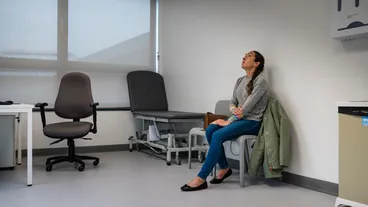
Medical gaslighting is more common than you think. Here's how to tell if your symptoms are getting dismissed and what to do.

Everything we've seen during the past two years has shown us that this model is working.
WHAT'S HAPPENING


Proposed Justice Department revisions would set specific standards to ensure access to medical diagnostic equipment, such as exam tables and weight scales.

In a new Truth Social post, Trump made the same promises he did in his first campaign.

"My story is a testament to the trap that many of us find ourselves in."

In a campaign visit to New Hampshire, Biden intends to talk about what he and the Democrats have done ― and what they would like to do now.

And in this case, the stakes are through the roof.

A judge temporarily blocked state Attorney General Ken Paxton from forcing an LGBTQ+ advocacy group to hand over info on transgender children.