


👀 DON'T MISS 👀


The Stakes Have Never Been Higher
This year we are facing the most consequential presidential election in recent memory. A vibrant democracy is impossible without well-informed citizens. This is why HuffPost's journalism is free for everyone, not just those who can afford expensive subscriptions.
We cannot do this without your help. Support our newsroom by contributing as little as $2.
Thank You For Your Past Contribution
We are sincerely grateful for readers like you who help us ensure that we can keep our journalism free for everyone.
The stakes are high this year, and our 2024 coverage could use continued support. Would you consider becoming a regular HuffPost contributor?
Thank You For Your Past Contribution
We are sincerely grateful for readers like you who help us ensure that we can keep our journalism free for everyone.
The stakes are high this year, and our 2024 coverage could use continued support. If circumstances have changed since you last contributed, we hope you'll consider contributing to HuffPost once more.
Already contributed? Log in to hide these messages.
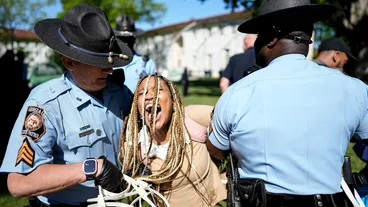
The University of Southern California has canceled its main stage graduation ceremony as the campus is roiled by protests stemming from the Israel-Hamas war.

Derrick Dunlap was pulled over in Texas because the light over his license plate was too dim — and the interaction was caught on video.

The “Stranger Things” star seems to be turned off by a few very random things.

Inviting armed, militarized police on college campuses to disperse peaceful anti-war protesters and others has historically not ended well.

If you're overwhelmed by your messy home, this deeper approach to organization could transform your space.

Contrary to what many believe, running won’t ruin your knees. But if your form is even a little off, it can put stress on your joints.

The former movie mogul's attorney, meanwhile, celebrated the appeals court's ruling as “a great day for America.”

The bill forces TikTok's Chinese parent company ByteDance to sell its stake in the platform to a U.S.-based entity within 12 months or risk a ban.

During a recent appearance on podcast "Minnie Questions," the "Friends" star reflected on the painful breakup from her partner, Johnny McDaid.
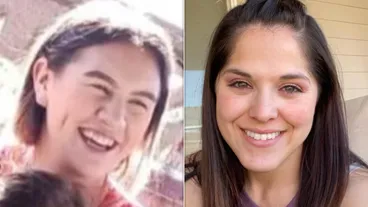
Elias Huizar, 39, was found with a self-inflicted gunshot wound following the fatal shooting of his ex and the discovery of a dead teenage girl in his home.

Twenty Democrats urged the Drug Enforcement Administration to deschedule weed and "resolve more than 50 years of failed, racially discriminatory marijuana policy."

One of the suspects told a local TV station they thought "it would be cool to take a picture with a gun."


