


👀 DON'T MISS 👀


No planes have been taken out of service, but the company must create a plan to address ones that are already flying, the FAA said.
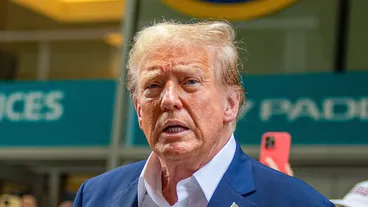
In a bizarre interview, the Republican presidential hopeful also said that “every" legal scholar "all over the world” supported overturning Roe v. Wade.

The White House press secretary shredded the South Dakota governor like a chew toy during a briefing.

Aid workers are desperately warning of the dangers that will come with Israel's anticipated ground offensive into the overcrowded city in Gaza.

The Fox News and radio host made the eyebrow-raising request as the GOP candidate considers his list of possible running mates.

An American soldier has been arrested in Russia's port city of Vladivostok and accused of stealing from a Russian girlfriend, U.S. officials said.

The president's team reworked Lamar's "Euphoria" slam of Drake to reveal just some of the things that Biden hates about the former president.

The move dashed hopes that diplomacy would stop Israel from carrying out its deeply controversial attack on Rafah, the last refuge for 1.5 million Palestinians.
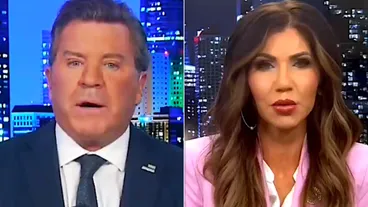
Eric Bolling really really reached on this one in trying to defend the South Dakota governor.

Miles Taylor said things are happening a little differently for Donald Trump during the 2024 campaign.

"The Daily Show" correspondent spots bizarre moments from some of the former president's VP hopefuls.

Zendaya, Jennifer Lopez, Bad Bunny and Chris Hemsworth co-chaired the evening along with Vogue Editor-in-Chief Anna Wintour.


