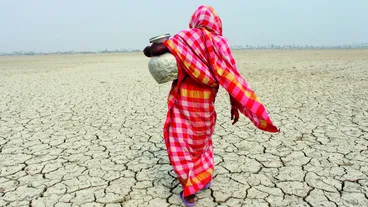
We have been counting down the days to World Water Day by looking at 20 ways that water is just the beginning: the beginning of the first steps out of poverty, the beginning of putting food on the table.
In the developing world only 58 percent of births are attended by a skilled assistant, such as a midwife, nurse or doctor, according to UNFPA; in Ethiopia, a shocking 90 percent of births take place without trained assistants.
Whether it be rope pumps or rainwater harvesting systems or sand dams, technological solutions must be paired with education and investment by local community members in order for projects to be sustainable.
Eradicating poverty can involve many varied and innovative approaches according to circumstance. But a universal factor is that development of livelihoods depends on communities enjoying good health and access to education. These, in turn, are reliant on access to safe water and sanitation.
Unfortunately, 783 million people -- 11 percent of the global population -- still have no access to clean water. For context, that is more than two and a half times the population of the United States.
Water and sanitation is a smart, lifesaving investment. It does not just save lives. It also offers an outstanding economic return to countries and people in Africa and Asia.