iPhone app iPad app Android phone app Android tablet app More

Featuring fresh takes and real-time analysis from HuffPost's signature lineup of contributors
Therese Borchard

GET UPDATES FROM Therese Borchard
 

7 Ways to Beat Depression for Seniors

Posted: 03/17/10 09:00 AM ET

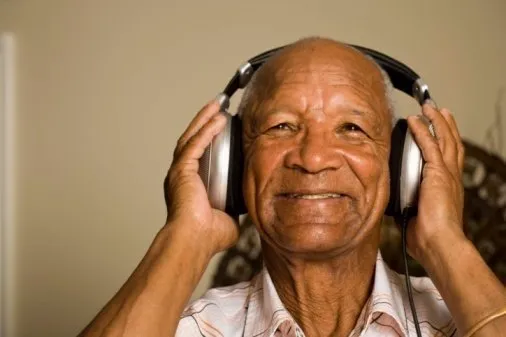
senior depression.jpg
Roughly a quarter of people age 65 or older suffer from depression. More than half of doctor's visits by the elderly involve complaints of emotional distress. Twenty percent of suicides in this country are committed by seniors, with the highest success rate belonging to older, white men. According to a recent report in the Journal of the American Geriatrics Society, depression is one of the major causes of decline in the health-related quality of life for senior citizens.
 

Why all the depression? Rafi Kevorkian, M.D. calls them the five D's: disability, decline, diminished quality of life, demand on caregivers, and dementia. To combat senior depression, then, requires coming up with creative methods to counter the five D's. Here are 12 strategies to do just that, to help people break free from the prison of depression and anxiety in their senior years.

1. Separate the illness from depression.

Depression in seniors is more complicated to identify and treat than that of younger folks because of all the other illnesses involved. For example, Parkinson's disease directly effects brain chemistry and can exacerbate depressive symptoms. Estimates show that 25 percent of cancer patients are depressed and as many as 50 percent of stroke patients suffer from depression.

Karen Swartz, M.D., Director of Clinical Programs at Johns Hopkins, maintains that patients with co-existing depression and chronic illnesses tend to focus more on the physical ailment, and therefore delay or impede full recovery from a mood disorder. Her advise? "Treat both the depression and the chronic illness simultaneously, setting aggressive treatment goals for both.... Do not settle for substandard treatment results--if one or both conditions is/are not responding to treatment, intensify or switch approaches." Also be sure there is cooperation and clear communication between your doctor and your mental health provider.

2. Watch the drinks.

Did you think teenagers were most at risk for substance abuse? Actually, alcohol and drug abuse are very prevalent among people over age 60, affecting 17 percent of older adults. It's not uncommon for seniors to self-medicate with alcohol and drugs as a way of coping with their loneliness or dealing with chronic pain. Hell, I can't say I blame them.

But it's bad, bad news. For one, alcohol is a depressive and is going to depress you even more (once you come down from the buzz of course). Popping sedatives can be lethal, especially when taken in combination with alcohol. Alcohol and drugs can also interfere with the effects of medications taken for diabetes, heart disease, and other common conditions among seniors. And finally, substance abuse increases the risk of suicide, especially in older men.

In other words, pour with caution.

3. Try Tai Chi.

Because disability and diminished quality of life are two of the D's of senior depression, older people would be smart to invest in some fall insurance--to do whatever they can to prevent falls. The fear of falling is legitimate among the elderly because approximately 33 percent of Americans ages 65 or older fall at least once a year. And when you consider the rates of osteoporosis, arthritis, and weak cardiopulmonary systems among elderly, healing from a fracture isn't so easy.

Therefore, take up an exercise program like Tai Chi, a martial art that teaches agility, slow movement, and coordination between body and mind. Tai Chi has been proven to prevent falls among seniors because it builds balance, core strength, and confidence. Strength training with either free weights or resistance rubber bands is also beneficial. And yoga, too.

4. Treat any insomnia.

Here's an interesting trivia fact from David N. Neubauer, M.D., author of "Understanding Sleeplessness: Perspectives on Insomnia": "As we age, we typically spend less time in the deepest levels of non-REM sleep (Stage 3 and Stage 4) and more time in the lighter levels. Consequently, older people often suffer from fragmented sleep, waking up more often during the night and early in the morning. In response to these changing sleep patterns, many [older] people develop poor sleep habits that compound the problem."

Dr. Neubauer reports that 80 percent of people who are depressed experience sleeplessness, and that the more depressed someone is, the more likely it is that he or she will have sleep problems. And vice versa! So absolutely essential to a senior's depression treatment is addressing any sleep problems and to practice good sleep hygiene: like going to bed at the same time every night, waking at the same time in the morning, and cutting down on or eliminating caffeine.

5. Distinguish grief from depression.

By the age of 65, half of American women will be widows. And in 10 to 15 percent of spouses, the loss of their loved one leads to chronic depression. The questions is: what's normal grief and what's depression? Kay Redfield Jamison, Ph.D., Professor of Psychiatry at the Johns Hopkins University School of Medicine, distinguishes the two in this way: "The sadness of grief usually comes in waves, with varying degrees of intensity and bouts of crying, and feelings of intense sadness, guilt, anger, irritability, or loneliness. A person experiencing grief, however, can enjoy some of life's activities. Grief is generally time limited and resolves on its own. Depression is a more persistent and unremitting sadness."

In other words, a depressed person is unable to enjoy life activities, merely slogging through life. She may also start to abuse alcohol or other drugs, experience difficulty eating (or overeating), and suffer from sleep disturbances.

6. Carry some photos.

Here's a simple way you can buffer yourself from the beast of depression: carry photos of your loved ones and friends in your wallet. Yep! A new study by UCLA psychologists found that by simply looking at a photograph of their significant others, a group of women reported less pain to the heat stimuli to their forearms than when they looked at pictures of an object or a stranger. Says study co-author Naomi Eisenberger: "The mere reminder of one's partner through a simple photograph was capable of reducing pain. The study fits with other work emphasizing the importance of social support for physical and mental health."

7. Make new friends.

Even better than photos are actual people! Countless studies have demonstrated that people with strong social networks are more resilient to depression and anxiety, especially in their senior years. And since losing friends and family is part of growing older, it is especially important for seniors to make an effort to meet new people. In my piece "13 Ways to Make Friends," I offer a few suggestions: trying out a book club, volunteering, taking a night class, and connecting with your alumni association. Pysch Central's John Grohol proposes 10 more in his "10 More Ways to Make Friends," such as joining a bowling league, getting involved in your church, or making a local restaurant or coffee shop your place to hang out.

Click here for 5 more tips to beat depression for seniors.

***

Originally published on Beyond Blue at Beliefnet.com. To read more of Therese, visit her blog, Beyond Blue at Beliefnet.com, or subscribe here. You may also find her at www.thereseborchard.com.


Follow Therese Borchard on Twitter: www.twitter.com/thereseborchard

Roughly a quarter of people age 65 or older suffer from depression. More than half of doctor's visits by the elderly involve complaints of emotional distress. Twenty percent of sui...
 
 
  • Comments
  • 23
  • Pending Comments
  • 0
  • View FAQ
Comments are closed for this entry
View All
Favorites
Recency  | 
Popularity
02:48 PM on 03/23/2010
Tai Chi Master Bruce Frantzis is credited with being the first Westerner to pierce China's veil and be given inside access to their energetic arts (ie. he was the first person to become nationally certified to teach the Tai Chi form). From this he gained an insider perspective on what actually happened with China's health care revolution and clear understandings of it's implications > one of which is central to this topic!
A completely different approach towards aging exists there; the elderly remain fully functional members of society and do not require large amounts of expensive stay at home medical care.

The full story on that chain of events and the future of them in our country is detailed quite well here:

http://www.taichimaster.com/tai-chi/the-tai-chi-tipping-point/

Tai Chi was adopted as the center piece of the national health care program because it counteracts the effects of chronic degeneration in the body, thus when it was practiced regularly most health problems from sick patients disappeared thus allowing them to not need to go to the hospital and have limited medical resources serve the needs of the entire population.
By that same logic, this emphasis on Tai Chi also was what allowed the elderly to maintain their state of health and well being -including directly with depression since it addresses the two main causes a slow down and lack of movement in the nervous system and congestion of the fluids within the body.
This user has chosen to opt out of the Badges program
photo
01:17 PM on 03/19/2010
I'd like to add that wearing bifocals or trifocals can greatly increase the risk of falls. The bottom lens of trifocals is set for reading, not for looking down at your feet as you try to navigate the concrete steps on your front porch, or the stairway in your house. Looking through your bottom magnifying lens distorts the distance you need to navigate when you are looking at your feet. (That's how I fell...) It's hard to remedy this situation, but now I often remove my glasses when I am walking down the steps or stairs.
My distance vision is much better than looking through "reading glasses" range when it comes to navigating steps. If your vision is awful without your glasses at all...well, that's a hard call. It's funny, but I rarely hear people discuss this as one of the main causes of falls. I think it might be a huge cause!
This user has chosen to opt out of the Badges program
photo
09:27 PM on 03/17/2010
Volunteer work, exercise, and sunlight.

Not every senior has family ties that bind, but it is a big world and helping others helps a lot!

Of course aging individuals feel the loss of youth and vitality, but with that comes wisdom.

If you are STILL ALIVE, you have a purpose perhaps yet undiscovered.

Take the first step.
photo
brooklyncitizen
Soror quaerens lucem
07:07 PM on 03/17/2010
I guess this is for seniors with full use of their faculties.
04:39 PM on 03/17/2010
Good thing this wasn't written by someone from the health insurance or big pharma, because all I see on TV are ads aimmed at getting people to take drugs for depression. Oh I guess that means they'd have to have health insurance like the seniors do with medicare. The seniors could afford those drugs since they're on medicare--stupid me.
08:53 PM on 03/17/2010
The drug industry doesn't care about you! That want to convince someone whose normal that they're not and how much better life would be IF you take this pill. Its all about the money factor. Pills are produces and need an illness to go with it. One pill leads to two and before you know it your taking a dozen pills.
photo
peanut
imswoman
08:58 AM on 03/21/2010
Shows how much you know about Medicare. Mediare doesn't cover many of these drugs.
HUFFPOST SUPER USER
Robert Nix
My bio is not micro
01:09 PM on 03/17/2010
People need a purpose. My dad was going through a really rough time. My wife and I talking him in to going back to collage. Now he's great you should see him with his iPod and his laptop. But I think I might need some help with his Facebook addiction.
photo
HUFFPOST COMMUNITY MODERATOR
cinemaven
Follow me on Twitter :)
12:53 PM on 03/17/2010
Great tips but I would put volunteering up at the top of it.

My aunt recently started volunteering as a granny reader for a grade 1 class and I've seen such amazing changes in her happiness and attitude. We all call her daily and try to always be there for her but her kids make her feel needed and they make her laugh. She looks forward to Monday, Wednesday and Friday now and I think we'll have her around for a few years more than we might have. Laughter and a feeling of being needed are so much more important than we often give them credit for.
photo
HUFFPOST SUPER USER
Fred Hood
United we win divided we lose
12:42 PM on 03/17/2010
if you deal in facts.........according to doctors in California............after prescribing cannabis since 1996.........they say.........a weed you can grow for free.........a herbal medicine that has been proven for 5000 years.......it the cure for depression.....did I say its free.........anyone can grow it.............doctors say it is a miracle cure.........and has no side effects.......in fact its good for you.............now if we can overcome corporate greed...........we can help millions
photo
MicheleMoore-Happy1
Whistleblower and creator of the Happiness Habit
12:31 PM on 03/17/2010
Good Health Helps Heal Depression! Thirty minutes of vigorous exercise a day OUTDOORS in the SUNLIGHT even if it's with a walker helps get blood circulating to the brain. Avoid sitting for long periods of time, eschew a sedentary lifestyle.

Get busy and involved in meaningful, enjoyable challenging activities that help others. Eat lots of fresh vegetables, fruit and high quality proteins. Avoid sugars, starches and processed foods.

Focus on finding enjoyable, challenging activities that provide satisfaction, success and achievement. Serial sadness often stems from success deprivation and fun deprivation. Structure your life so that you are having fun and achieving successes every day.

Avoid the Fault Finding Feel Goods and Avoid All UnNecessary, Non-Productive Negativity. Explore HappinessHabit.com for more insights on staying Up, energized and happy at any age.

Happiness comes from both what we decide To Do and what we decide we definitely will NOT do!

Michele Moore
HappinessHabit.com
HappinessBlog.com
HUFFPOST SUPER USER
DebbyM
10:55 PM on 03/19/2010
All good suggestions Michele, but from the point of someone who has spent her entire life (55 years), slogging through life, all so difficult to accomplish if not impossible at times. And quite frankly, even the times that I've managed to get through the day by forcing myself to do the above, the moment the head hits the pillow, the sadness is there again and the only salvation is sleep (for however long it lasts). I dream of having a different personality but I am what I am. The next 30 years is going to last an awful long time.
04:49 PM on 03/20/2010
Debby, I'm not going to tell you to get drugs to dull the pain, but in all seriousness taking anti-depressants WHILE being carefully monitored and having regular talk therapy, as well as following diet and exercise tips (like above) and paying attention to things like seasonal affective disorder can really help. No details here on a public blog but trust me.
12:19 PM on 03/17/2010
Therese great post. I ordered your book "Beyond Blue" reading it, Its hard to image all you went through in your young life and are here today making contributions for all to read and get better and make healthy choices. Your the best, God bless you. And Happy St. Patty's Day, from one who did attend St. Patrick's School in Texas. I hear you.
photo
HUFFPOST SUPER USER
thegirlnextdoor
11:32 AM on 03/17/2010
Play music. Join a choir.
09:54 AM on 03/17/2010
You don't need 7 ways. Medical mari.juana is now legal in 14 states, and will serve you very well against depression.

http://medicalmarijuana.procon.org/view.resource.php?resourceID=000881
photo
HUFFPOST COMMUNITY MODERATOR
fcsakes
10:54 AM on 03/17/2010
While I am certainly an advocate for the legalization of marijuana, I advise caution for people who are suffering depression. Marijuana often has other effects, such as paranoia and disorientation that may not be particularly safe for older people who live alone and suffer clinical depression.

I say, find someone to share it with, preferably someone who can spend the night - safely on the couch or wherever - just in case you need a little help from a friend.
12:22 PM on 03/17/2010
It gave my old mom the giggles. She was talking to the cat (who understands everything, by the way)!
12:23 PM on 03/17/2010
It just gave my old mom the giggles!
photo
HUFFPOST SUPER USER
Ljilja
http://graciouslivingdaybyday.com/
09:37 AM on 03/17/2010
You give good advice. More than anything, older people need to stay part of their family and society. That is essential. If they feel valued and appreciated, if they feel that their contributions are appreciated, they will feel good about themselves. We need to incorporate the contributions of elder people in the everyday life of our society: daycare and helping out with kids; schools and education - helping kids with reading, math, etc; helping people learn about good eating, growing gardens, nutritional needs. Older generations have so much to teach us. Allowing them to do that would benefit everybody.

http://graciouslivingdaybyday.com/
photo
HUFFPOST COMMUNITY MODERATOR
fcsakes
10:55 AM on 03/17/2010
Fanned, faved, and co-signed!
HUFFPOST SUPER USER
DebbyM
11:02 PM on 03/19/2010
All you cheerful, positive people make me crazy. From your perspective it must seem so easy to manage depression. Do you have any idea how many depressed people are incredibly good at putting on "the brave face" but in reality are watching themselves acting out a part? Smiling when they are expected to, acting excited when it's appropriate, pretending to be happy to do ......? Its like when the illiterate manage to get through life without revealing to anyone that they can't read. Depression hides from the world.