
I wouldn't say that I'd been cocky about my aging parents -- I knew at some point they would pass. But for a long time, as I watched my friends struggle with the steady decline and eventual death of their parents, I felt like I'd dodged a major bullet.
And then my dad fell in late 2009 and, like dominoes, so did everything else.
He had brain surgery, my mom had heart surgery and before she passed away in December, I had been flying back and forth every few weeks to Florida, where they lived, and Cleveland, where my mother had surgery. And now I am back to flying to see my dad, battling dementia and Parkinson's in a nursing home in Boca Raton, some 2,600 miles away from me.
It's a complicated situation, but perhaps not as complicated as what I may face as I age. Despite the 70 percent of adult children polled by in-home care provider Senior Helpers who said they'd happily have Mom move in with them, daughters were more likely than sons to do so as were children living in the Northeast and Southeast. I have two sons and I live in California. Bummer for me. And I have another, bigger, strike against me -- I'm divorced, so it's likely I may be fending for myself during my golden years. 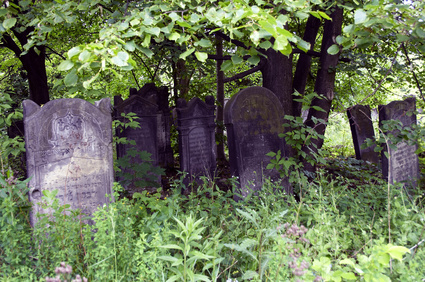
Children of divorce tend to be less involved in the daily care of aging parents, according to a study by Temple University researcher and gerontologist Adam Davey, not necessarily because they don't want to but because they often live far away from each other. Others often struggle with having to care for an aging estranged parent and perhaps aging stepparents with whom they may or may not have been close, says Elizabeth Marquardt, director of the Center for Marriage and Families at the Institute for American Values and author of Between Two Worlds: The Inner Lives of Children of Divorce.
I'm not an empty-nester yet -- my youngest is a year away from graduating high school and my older son lives with me while attending the local community college. And as much as I sometimes daydream about what it will be like to have freedom again -- as well as a clean house that actually stays clean -- once my boys move out, perhaps I shouldn't be so eager to have them go.
With low birth rates, high divorce rates, a burgeoning population of single mothers -- including single mothers by choice -- and about 60 percent of second marriages ending in divorces, "our families, our nation will soon confront a never-before-seen shift in how we die and whom we'll have around us when we do," Marquardt says. "And the likelihood is that on every level, we will be dying much more alone."
For boomers already caregiving for divorced parents, stepparents and sometimes multiple stepparents, it's making "an already complex and emotional situation" even more problematic, says Suzanne Mintz, president of the National Family Caregivers Association. As When the Time Comes: Families With Aging Parents Share Their Struggles and Solutions author Paula Span writes in "Years Later, Divorce Complicates Caregiving" on the New York Times' The New Old Age blog:
Years after parents split, their children may wind up helping to sustain two households instead of one, and those households can be across town or across the country. Further, unmarried women (whether single, widowed or divorced) face significantly higher poverty rates in middle and old age, according to a study by the Institute for Women's Policy Research that AARP published last year.
I can understand why some might not want to care for an estranged parent, but there are no guarantees that children from intact families are going to care for their aging parents, either. There are plenty of people who have such troubled relationships with their still-married parents that just thinking about calling them -- let alone caring for them one day -- is enough to send them to a shrink. And it isn't just divorce that's complicating things; thanks to the recession, there are still many unemployed boomers who may not be able to help their aging parents -- or themselves.
Still, divorced, widowed, never-married, married, parents or not, close or far, we all die alone, or so psychiatrist Irvin Yalom says in his book Love's Executioner:
"Though we try hard to go through life two by two or in groups, there are times, especially when death approaches, that the truth that we are born alone and must die alone, breaks through with chilling clarity. I have heard many dying patients remark that the most awful thing about dying is that it must be done alone. Yet, even at the point of death, the willingness of another to be fully present may penetrate the isolation."
Who is that other "fully present" person? Yalom doesn't say. It could be anyone.
If you're lucky, maybe even your child.
A version of this story appeared on Mommy Tracked: Managing the Chaos of Modern Motherhood
Photo © Przemyslaw Koroza/Fotolia.com