

A drop slid down my leg, I maneuvered it into the hollow between my ankle and my shoe and did a thousand pirouettes so my high school classmates wouldn't notice. For months, my family had had only mineral oil for cooking, thanks to pharmacist relative who was able to sneak it from his work. I remember it heating to a white foam in the pot and the food tinged with the golden color of a photograph, ideal for food magazines. But our bodies could not absorb that kind of fat, made for creating lotions, perfumes or creams. It passed right through our intestines and dripped, dripped, dripped... My panties were stained, but at least we got a break from food that was just boiled, and could try another, slightly roasted.
We were quite fortunate to have that semblance of "butter" that someone stole for us, because in the nineties many others had to distill engine oil for use in their kitchens. Perhaps that's why we Cubans are traumatized by this product extracted from sunflowers, soybeans or olives. The price of a quart of oil in the market has become our own popular indicator of well-being versus crisis, in the thermometer that takes the temperature of scarcities. With an ever shrinking culinary culture, from Pinar del Rio to Guantanamo, most stoves know only recipes for fried foods. Hence, pork fat, or buttery liquids with high-sounding names such as "The Cook" or "Golden Ace," prove essential in our daily lives.
When, a few days ago -- with no prior warning -- the price of vegetable oil in hard currency stores rose by 11.6%, the annoyance was very strong, even more so than when fuel prices rose. Many of us don't have cars to show us that convertible pesos are continually turned into less and less gasoline, but we all face a plate every day where the prices of staple foods have soared. That this happens with no accompanying public protest, no discontented housewives raising a ruckus beating on their pots and pans, no long articles in the press complaining of the abuse, is harder to swallow than a meal with no fat. I'm more embarrassed by this tacit acceptance of rising prices than I was of the thread of mineral oil snaking down my calf before the mocking eyes of my classmates.
 Yoani's blog, Generation Y, can be read here in English translation.
Translating Cuba is a new compilation blog with Yoani and other Cuban bloggers in English.
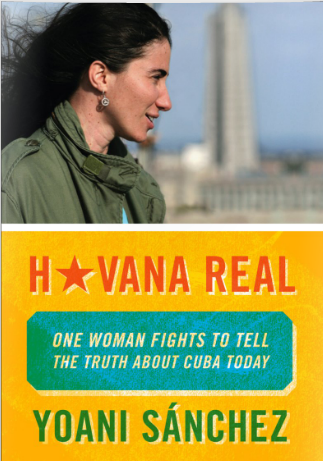
Yoani's new book in English, Havana Real, can be pre-ordered here.