
All of us have a front-row seat to watch the biggest revolution in retail shopping since department stores were first built a century ago in the center of cities.
Because we, the consumers, are leading the revolution.
We're wielding price-check iPhone apps in stores without hesitation. We bounce from friends' Facebook pages to a company's own app on a phone before handing over a credit card in a brick-and-mortar retail store.
Simply by posting a few updates on Facebook or Twitter, we can become a mass market ad for a brand -- or their worst nightmare -- with hundreds and sometimes thousands of followers.
Retailers can use all that data, gadgets and social networks to their advantage. The key is making customers -- and their data -- the focus of everything a company does, from buying to marketing, selling to providing customer service.
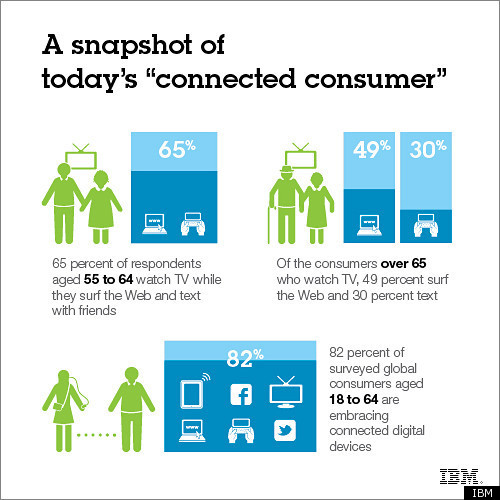
We call this new approach smarter commerce because it involves collecting and analyzing the bits and pieces of data floating around about customers -- not just what they buy and where, but why and how they choose those products and what they say to friends. Armed with this analysis, companies can predict their customers' changing tastes, rather than reacting to them.
Data and analytics are tools that make consumers influential, and have become the basis for pinpointing insights. These insights are at the center of the processes that make each company run, whether it's inventory optimization, target marketing or supply chain management.
Customers are making a new set of rules in the game between buyers and sellers and both can benefit from them. These changes can help retailers as well, if they are willing to transform their businesses.
For example, Hertz has always valued customers' opinions about its rental cars and customer service. In the past, Hertz employees painstakingly read each customer comment submitted online or by phone and placed them into categories, such as problems with cars or requests for managers to call back customers.
Now the world's largest airport car rental company uses analytics software to examine customer survey answers -- including text messages -- to make sense of customers' feedback. The automatic system sifts through and tags key customer input for Hertz, helping the company react more efficiently and nimbly.
Urban Outfitters is also using software to create a company-wide order management system for its retail stores, web sites and call centers across its various retail brands. By being able to see its global inventory, Urban Outfitters customers can research, buy, ship and return products anywhere in the world.
What merchants need today is a nimbler, smarter system of doing business. It's a given that the web, iPhones, Facebook and Twitter are creating better informed, smarter consumers. We'll all benefit from the creation of new ways to buy and interact with our favorite companies.
One way we'll benefit is by getting only retail deals we're likely to be interested in -- not irrelevant spam that wastes consumers' time and businesses' money. All the analytics out there can now give retailers the power to cater to each person's preferences, essentially turning marketing into a customer service. The end of spam --- who wouldn't sign up for that?
To learn more about IBM's smarter commerce, click here